Category: Uncategorized

  • Which Skills are best in 2026 and Why? with real time examples


    Which Skills Are Best in 2026 and Why?

    As technology, business, and workplace environments continue to evolve, the demand for certain skills grows rapidly. By 2026, companies will prefer individuals who can combine technical expertise, creativity, data-driven thinking, and digital communication abilities. Below are the top skills expected to dominate in 2026—and why they matter—along with real-time examples to help you understand their importance.


    1. Artificial Intelligence & Machine Learning Skills

    AI and Machine Learning are already transforming industries like healthcare, finance, manufacturing, and e-commerce. By 2026, every medium to large business will rely on AI-powered tools for automation, data insights, customer support, and marketing.

    Why is this skill important?

    • Helps companies analyse big data and make accurate decisions
    • Reduces manual tasks, saving time and cost
    • Drives innovation in smart products and services

    Real-time example

    E-commerce platforms like Amazon use AI to recommend products based on user behavior. Similarly, Google Maps uses AI to suggest the fastest routes based on real-time traffic. These systems are created and maintained by people skilled in AI/ML.


    2. Data Analysis & Data Literacy

    In 2026, businesses won’t just rely on opinions—they will depend on data. Data analysts help companies understand trends, customer behavior, and performance.

    Why is this skill important?

    • Every department—sales, marketing, HR, logistics—relies on data.
    • Helps companies make smarter decisions
    • Increases demand for professionals who can work with tools like Excel, SQL, and Python

    Real-time example

    Banks use data analysts to detect fraud. Digital marketing agencies analyze audience data to run successful campaigns. Even hospitals use data to predict patient needs and improve treatment plans.


    3. Digital Marketing & SEO

    As more businesses move online, the need for skilled digital marketers continues to rise. By 2026, companies will focus even more on SEO, social media marketing, paid ads, and content marketing.

    Why is this skill important?

    • Businesses depend on online visibility.
    • Helps brands reach global audiences
    • Provides freelancing and remote work opportunities

    Real-time example

    Small businesses in Pakistan and India are using Facebook Ads and SEO to reach more customers instead of traditional marketing. A bakery using Instagram Ads, for example, can sell 3x more just by targeting local users.


    4. Cybersecurity Skills

    As digital use increases, so do online threats. Companies will need professionals who can secure data, networks, and cloud systems.

    Why is this skill important?

    • Protects businesses from hacking and cyberattacks
    • High-paying jobs with long-term demand
    • Governments and private companies both hire cybersecurity experts

    Real-time example

    Banks like HBL or UBL employ cybersecurity teams to protect customer accounts from hacking attempts. Even small e-commerce stores rely on secure payment systems to protect their customers.


    5. Communication & Soft Skills

    While technical skills are important, communication remains the heart of every workplace. By 2026, employers will look for people who can collaborate, present ideas clearly, and lead teams.

    Why is this skill important?

    • Helps in teamwork, client handling, and leadership
    • Boosts career growth in management roles
    • Essential for freelancers and remote workers

    Real-time example

    A software developer who communicates well with clients can get promoted to team lead faster than someone who only codes. Companies value employees who can explain solutions clearly.


    6. Creative & Content Creation Skills

    Short video content, graphic design, copywriting, and storytelling are becoming essential marketing tools.

    Why is this skill important?

    • Brands depend on creative visuals and videos.
    • Influencer marketing is growing.
    • Content creators can earn from multiple platforms

    Real-time example

    Creators on TikTok, YouTube, and Instagram earn through sponsorships and ad revenue. Brands hire graphic designers and video editors to build engaging campaigns.


    Conclusion

    The best skills in 2026 will be a mix of technology, data, creativity, and communication. Learning these skills today can open doors to high-paying jobs, freelancing opportunities, and global careers. Whether you’re starting fresh or upgrading your career, focusing on these future-ready skills can ensure long-term success


  • How to Make Money Using Facebook, WhatsApp, and Google — Step-by-Step Strategies

    How to Make Money Using Facebook, WhatsApp, and Google — Step-by-Step Strategies

    Want to earn real income using the three giants — Facebook, WhatsApp, and Google? Below is a practical, step-by-step playbook that mixes quick wins with scalable strategies. Follow the steps, pick the channels that suit your strengths, and iterate.

    Quick intro (why these three)

    Facebook gives you audience building + paid ad muscle. WhatsApp creates direct, high-intent conversations and repeat sales. Google (Search + YouTube + Ads) captures demand and drives scalable traffic. Together, they cover awareness, consideration, and conversion.


    1) Facebook: build audience, sell, and scale with ads

    Main monetization: selling products/services, affiliate, paid content, lead gen for higher-ticket offers.

    Step-by-step

    1. Niche & Offer: Choose a focused niche (e.g., fitness at home, local bakery, small-business marketing). Design a clean offer: product, course, coaching, or lead magnet.
    2. Create assets: Set up a Facebook Page and a Business Manager account. Create a clear cover image, profile, and 3–5 cornerstone posts (value + social proof + CTA).
    3. Organic growth: Post helpful content (tips, case studies, short videos). Use Facebook Groups — start your own or be active in niche groups. Engage daily.
    4. Lead magnet & funnel: Create a simple lead magnet (PDF, checklist, mini-video). Use a landing page (free builders) and collect emails with a clear CTA.
    5. Facebook Ads to Scale: Run Low-Budget Traffic and Conversion Campaigns. Start with a small audience test (interest or lookalike of your page engagers). Track cost per lead/sale and double down on winners.
    6. Retargeting & upsells: Retarget website visitors and video viewers with offers. Use Messenger or WhatsApp click-to-chat ads for direct conversation.
    7. Monetize: Sell products, affiliate offers, courses, or consulting. Use limited-time offers to increase conversions.

    Tips: Use video (higher reach), keep ads simple, and track ROAS (return on ad spend). Use catalog sales for e-commerce.


    2) WhatsApp: convert with conversations and communities

    Main monetization: direct sales, paid groups, appointment bookings, service delivery.

    Step-by-step

    1. Set up WhatsApp Business: Create a Business profile, add catalog items if you sell products, and set automated greetings/away messages.
    2. Build opt-in lists: Use Facebook/Instagram ads, QR codes, link buttons, and landing pages to get people to opt in to WhatsApp updates (always ask permission).
    3. Segment contacts: Label by interest (leads, buyers, high-value). This enables targeted broadcast messages.
    4. Drive value with content: Send short tips, product launch alerts, exclusive discounts, and limited offers. Keep messages useful — avoid spam.
    5. Sell via chat: Use conversational selling: qualify the lead, present the offer, handle objections, and close the sale. Send invoices or payment links.
    6. Create paid groups/memberships: Offer premium support, training, or insider deals in a paid WhatsApp group or via subscription (use external billing).
    7. Scale with automation: Use templates, quick replies, and chatbot tools that integrate with WhatsApp Business API when you have higher volume.

    Tips: Personalization and fast replies increase conversions. Preserve trust — be honest and avoid blasting irrelevant content.


    3) Google: capture demand with Search, YouTube, and Ads

    Main monetization: AdSense, affiliate marketing, SEO traffic → product sales, YouTube monetization, Google Ads for paid funnels.

    Step-by-step

    1. Keyword research & content plan: Find buyer keywords (intention to purchase) and create helpful pages: reviews, how-tos, comparisons.
    2. Build a website / blog: Use WordPress or similar. Optimize on-page SEO (titles, meta, headings, fast loading).
    3. Create high-value content: Long-form articles, tutorials, and product demos. Add lead magnets and email capture.
    4. Monetize content: Add affiliate links, sell your products, or enable Google AdSense/other ad networks once you have traffic.
    5. YouTube backbone: Create videos that solve problems, link to your site and offers in descriptions. Monetize via YouTube Partner Program and affiliate links.
    6. Use Google Ads strategically: Run search campaigns for high-intent keywords to drive conversions quickly (test landing pages first).
    7. Measure & optimize: Use Google Analytics/Search Console to track traffic, impressions, and conversions. Improve low-performing pages.

    Tips: Focus on buyer intent keywords first for faster revenue. Video + article combos rank and convert better.


    Final checklist & growth advice

    • Start simple: Pick one platform, validate an offer, then scale.
    • Measure everything: CAC, LTV, conversion rates.
    • Repurpose content: Turn blog posts into videos and WhatsApp messages.
    • Keep customers: Use WhatsApp for support and Facebook for community to boost repeat purchases.
    • Test constantly: Small ad tests, message variants, and landing page tweaks.


  • How to Get Website Traffic from a Facebook Page without any SEO

    In the ever-evolving world of digital marketing, Facebook remains a powerhouse for connecting with a target audience. For businesses and creators, a strong Facebook presence isn’t just about building a community; it’s a critical tool for driving traffic back to your website. While Facebook’s algorithm has become more selective about which content gets seen, a strategic approach can still yield significant results. Here’s a comprehensive guide on how to effectively get traffic on your website through a Facebook page.


    1. Optimize Your Facebook Page for Clicks
    Your Facebook page is an extension of your website, and it should be optimized to direct visitors to your primary online hub. I’d like you to please make sure your page is complete and professional.
    * Use a Clear Call-to-Action (CTA) Button: Facebook offers customizable CTA buttons on your page’s header, such as “Shop Now,” “Learn More,” “Sign Up,” or “Contact Us.” Please choose the one that best aligns with your goals and link it directly to a relevant page on your website.
    * Complete Your “About” Section: This section is often the first place new visitors will look to learn about your business. Include your website URL, a concise description of what you do, and relevant keywords to improve searchability.
    * Pin a High-Value Post: Pin a post to the top of your page that includes a link to your most important content. This could be a popular blog post, a special promotion, a landing page for a new product, or a lead magnet. This ensures that every visitor sees your most crucial message and has an easy path to your website.
    2. Create and Share High-Quality, Link-Worthy Content
    The cornerstone of any successful social media strategy is content. To get people to click on a link, you need to provide them with a compelling reason to do so.
    * Share Snippets, Not the Full Story: Instead of posting an entire article on your Facebook page, post a captivating snippet or a thought-provoking question that entices users to “read more.” The link should take them to the full article on your website.
    * Utilize a Variety of Content Formats: Mix it up to keep your audience engaged. Share blog posts, but also create native Facebook content like infographics, short videos, live streams, and polls. Video content, in particular, tends to have a high engagement rate. A short, engaging video that previews your blog post or product can be an incredibly effective way to drive traffic.
    * Post Consistently: Develop a content calendar and stick to it. Regular posting keeps your page active and helps build a consistent presence in your followers’ news feeds. Use analytics to determine the best times to post for your specific audience.
    3. Engage with Your Audience
    Facebook is a social platform, and a one-way street of sharing links will not work. Engaging with your followers builds a community and increases the likelihood that they will trust your brand and click on your links.
    * Ask Questions and Encourage Discussion: Post questions related to your content to spark conversations in the comments. When people comment, reply to them. This interaction signals to the Facebook algorithm that your content is valuable, which can increase its reach.
    * Run Contests and Giveaways: These are excellent for boosting engagement and driving traffic. You can create a contest that requires participants to visit a specific page on your website to enter, or to answer a question that can only be found on your site.
    4. Leverage Facebook Groups
    While your business page is essential, Facebook Groups can be an even more powerful tool for driving traffic. They provide a space for highly targeted, niche-based conversations.
    * Join and Participate in Relevant Groups: Find groups related to your industry or niche. Instead of just dropping links, become a helpful and active member. Answer questions, offer advice, and contribute to discussions. When it’s appropriate and allowed by the group rules, you can then share links to your website content as a valuable resource.
    * Create Your Own Group: If you have an engaged audience, consider creating your own Facebook group. This gives you complete control over the content and a direct line of communication with your most loyal followers, making it easier to share new content and drive traffic.
    5. Consider Paid Advertising
    While organic methods are crucial, Facebook Ads are a surefire way to drive highly targeted traffic to your website. With Facebook’s powerful targeting tools, you can reach a very specific audience based on demographics, interests, and behavior.
    * Use the “Traffic” Objective: When creating an ad, select the “Traffic” objective to tell Facebook that your goal is to get as many people as possible to click on your link and visit your website.
    * Boost High-Performing Posts: If an organic post is getting a lot of engagement, consider “boosting” it with a small budget. This will extend its reach to a wider audience that is likely to be interested in your content.
    * Implement the Facebook Pixel: The Facebook Pixel is a piece of code you install on your website that tracks user behavior. It allows you to create retargeting ads, showing your ads specifically to people who have already visited your website, significantly increasing the chances of conversion.
    By combining these strategies, you can transform your Facebook page from a simple social media presence into a dynamic and effective traffic-generating engine for your website. Remember to constantly analyze your results using Facebook’s analytics tools to understand what resonates most with your audience and adjust your strategy accordingly.

  • Top 10 Ways to Earn Money at Home Without Any Investment

    In today’s digital age, the traditional 9-to-5 job is no longer the only path to financial security. With a computer and an internet connection, you can leverage your skills to earn a steady income from the comfort of your own home, and in many cases, without a single dollar of initial investment. This flexibility has opened up a world of opportunities for students, stay-at-home parents, and anyone looking for a side hustle or a full-time career change. Here are 10 of the best methods to earn money at home without any investment.


    1. Freelance Writing and Editing
    If you have a knack for words, freelance writing and editing is an excellent ways to start earning. Businesses and individuals are constantly in need of content, whether it’s for blog posts, articles, website copy, or social media. You can specialize in a specific niche, such as technology, health, or finance, to command higher rates. Platforms like Upwork, Fiverr, and TextRoyal are great places to find clients and showcase your portfolio. All you need to get started is your writing skills and a strong portfolio of samples, which can be personal projects to begin with.
    2. Online Tutoring
    For those with expertise in a particular subject, online tutoring is a rewarding and profitable option. From academic subjects like math and science to creative skills like music and art, there is a high demand for online instructors. Websites such as Preply and TutorMe connect tutors with students from all over the world. The flexibility to set your own hours and rates makes this a popular choice. Many platforms only require you to create a profile and demonstrate your knowledge, with no upfront costs.
    3. Virtual Assistant (VA)
    A Virtual Assistant provides administrative, technical, or creative assistance to clients remotely. Many entrepreneurs and small business owners need help with tasks like managing emails, scheduling appointments, social media management, data entry, and research. If you are organized and have strong communication skills, this can be a great fit. You can find VA opportunities on freelance marketplaces and specialized platforms like Time, etc. The only “investment” is your time and skills, which you already possess.
    4. Data Entry
    Data entry is a straightforward job that requires attention to detail and good typing skills. While it may not be the highest-paying gig, it’s a solid option for earning money from home with no prior experience or financial outlay. Data entry tasks can range from transcribing data from one format to another, updating spreadsheets, or filling out forms. You can find data entry jobs on various freelancing websites, but be wary of scams that ask for a registration fee.
    5. Affiliate Marketing
    Affiliate marketing involves promoting a company’s products or services and earning a commission for every sale or lead generated through your unique affiliate link. You can get started without a website by using free platforms like social media (e.g., TikTok, Instagram, YouTube) to share product reviews or recommendations. You simply need to build an audience and provide valuable content that naturally integrates the products you’re promoting. The key is to choose a niche you are passionate about and build trust with your followers.
    6. Online Surveys and Microtasks
    If you have some spare time, you can earn a little extra cash by completing online surveys and microtasks. Companies and market research firms are willing to pay for your opinions on their products and services. While this won’t make you rich, it’s a simple way to earn a few dollars in your downtime. Reputable platforms like Swagbucks, ySense, and Survey Junkie offer rewards that can be redeemed for gift cards or cash via PayPal.
    7. Transcription Services
    Transcription involves converting audio or video files into written text. This is a great option for people with excellent listening skills and fast, accurate typing. Many businesses, from legal firms to media companies, need transcription services. You can find transcription gigs on platforms like Rev and TranscribeMe. While some experience with transcription is helpful, many sites offer tests to prove your skills, making it accessible to beginners.
    8. Social Media Management
    As businesses increasingly rely on their online presence, the demand for social media managers has soared. If you have a good understanding of platforms like Facebook, Instagram, and Twitter, you can offer your services to manage a company’s social media accounts. This can include creating content, scheduling posts, engaging with followers, and analyzing performance. This role can be a great fit for anyone with a creative flair and strong organizational skills.
    9. Selling Your Services on a Freelance Marketplace
    Beyond writing and virtual assistance, you can sell a wide range of services on platforms like Fiverr and Upwork. If you have skills in graphic design, logo creation, video editing, voice acting, or even creating short jingles, you can create a “gig” and start offering your services to a global audience. These platforms are designed to help you start with zero investment, taking a percentage of your earnings once you’ve secured a client.
    10. Start a Blog or YouTube Channel
    While this method takes time to monetize, it can be done without any upfront costs. You can start a blog using free platforms like WordPress.com or a YouTube channel for free. The key is to create high-quality, valuable content consistently in a niche you’re passionate about. Once you build an audience, you can monetize your content through various methods, including affiliate marketing, advertising revenue, and selling your own digital products.
    The world of remote work is vast and full of possibilities. With a bit of research and dedication, you can turn your existing skills and interests into a reliable source of income, all from the comfort of your home, and without a single financial investment.

  • How to Get a Spotify Subscription for Free Without a Paid Subscription


    Introduction: Enjoying Your Favorite Music – The Free Way

    In today’s digital age, music streaming has become an integral part of our daily lives. Spotify stands as one of the giants in this domain, offering a vast library of songs, podcasts, and curated playlists.1 While many users enjoy the premium experience of an ad-free, on-demand subscription, the question “How to Get a Spotify Subscription for Free Without a Paid Subscription” frequently arises. This article will explore legitimate methods to enjoy Spotify’s offerings without opening your wallet, focusing on the features available to free users and discussing the realistic expectations that come with it.

    Key Features of Spotify’s Free Tier

    While a “Spotify Premium free subscription” implies bypassing payment, it’s crucial to understand that Spotify itself offers a robust free tier. This isn’t a workaround or a hack; it’s an intended part of their service model designed to give users access to music.

     On-Demand Access (Limited)

    On desktop and web players, Spotify’s free tier allows for more flexible on-demand playback. You can select specific songs from any playlist or album and listen to them as many times as you like. However, this flexibility is more restricted on mobile devices, where you’re typically limited to shuffle play for most content.

     Curated Playlists and Discovery

    Even without a paid subscription, Spotify’s powerful algorithms work tirelessly to provide an excellent music discovery experience.2 Free users can access:

    • Daily Mixes: Personalized playlists based on your listening habits.
    • Discover Weekly & Release Radar: Playlists introducing you to new artists and songs.
    • Thousands of User-Created Playlists: A vast array of playlists for every mood and genre.

    Podcast Access

    One of Spotify’s biggest strengths is its extensive podcast library.5 Free Spotify accounts offer unrestricted access to almost all podcasts, allowing you to listen to your favorite shows on demand, without the mobile shuffle restrictions applied to music.

     Ad-Supported Experience

    The primary trade-off for not having a “paid subscription” is the presence of advertisements. These audio and visual ads are strategically placed between songs and sometimes within podcasts, funding the platform and artists. This is how you can get a Spotify subscription for free.

    Uses and Limitations of the Free Spotify Experience

    Understanding how to leverage the free tier effectively involves recognizing its strengths and limitations.

     Desktop and Web Player Freedom

    For users primarily listening on a computer or through a web browser, the free Spotify experience is surprisingly generous. You get:

    • Pick and Play: Select any song, album, or playlist to listen to directly.
    • Unlimited Skips: Skip as many tracks as you want.
    • Podcast On-Demand: Full control over podcast episodes.

    This makes the desktop experience a powerful way to get a Spotify subscription for free without a paid subscription for dedicated computer users.

     Mobile Restrictions and Smart Listening

    On mobile devices (smartphones and tablets), the free tier has more significant restrictions:

    • Shuffle Play: Most music content is restricted to shuffle mode, meaning you can’t pick specific songs from an album or playlist directly.
    • Limited Skips: Usually 6 skips per hour for music.
    • No Offline Listening: You cannot download music for offline playback.
    • Ads: Expect regular ad interruptions.

    To maximize your mobile experience, focus on:

    • Podcasts: Unrestricted on-demand listening.
    • Pre-Made Playlists: Let Spotify’s algorithms do the heavy lifting with Daily Mixes and genre-specific playlists.
    • Radio Stations: Enjoy continuous music based on an artist, song, or genre.


    Personal Opinion: Is “Free” Worth It?

    From a personal perspective, the free Spotify tier offers incredible value, especially considering it truly allows you to get a Spotify subscription for free without a paid subscription. For casual listeners, students, or those on a tight budget, it provides access to millions of songs and podcasts that would otherwise be inaccessible.

    However, it’s important to set realistic expectations. The ads can be disruptive, and the mobile limitations, particularly the lack of on-demand song selection and offline listening, can be frustrating for power users. If music is a significant part of your daily routine, especially on the go, the convenience of a paid subscription quickly becomes apparent. The ability to download music for offline use is a game-changer for commutes or areas with poor internet connectivity.

    While some might search for “Spotify Premium free subscription APK” or other unofficial methods, these often come with significant risks, including malware, security vulnerabilities, and violating Spotify’s terms of service, which can lead to account suspension. Sticking to Spotify’s official free tier is the only safe and legitimate way to access their service without paying.

    Conclusion: Leveraging the Official Free Experience

    For anyone wondering how to get a Spotify subscription for free without a paid subscription, the answer lies squarely within Spotify’s official free tier. It’s a generous offering that provides a gateway to a vast world of audio content. By understanding its features and limitations, especially the differences between desktop and mobile experiences, you can still enjoy an enriching music and podcast streaming journey without spending a single penny. Embrace the ad-supported model, explore the curated playlists, and utilize the desktop player for greater control. This way, you can safely and legitimately experience the essence of Spotify without the commitment of a premium plan.

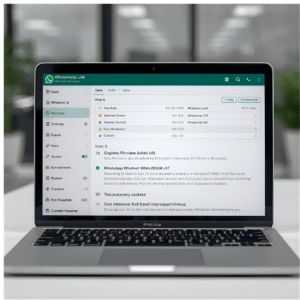
  • How to Restore WhatsApp Data Without Creating a Backup: Step-by-Step Guide with Details

    Introduction

    WhatsApp has become an essential part of our daily lives, storing valuable chats, photos, videos, and important documents. Normally, restoring WhatsApp data is simple when you have a backup on Google Drive or iCloud. But what if you forgot to create a backup? In such cases, many users panic about losing their data permanently. Don’t worry — this step-by-step guide on how to restore WhatsApp data without creating a backup will help you recover your valuable files and messages safely.

    In this article, we will explain key features of data recovery, the methods you can use, practical uses, and our personal opinion about the effectiveness of these solutions.

    Key Features of Restoring WhatsApp Data Without Backup

    1. Direct Recovery from Device Storage

    Even without a backup, WhatsApp automatically saves data in your phone’s internal storage. By accessing the WhatsApp folder in your device, you can often recover deleted messages, media, and files.

    2. Use of Third-Party Recovery Tools

    Several trusted recovery software tools allow you to scan your phone’s memory and restore deleted WhatsApp messages, photos, and videos without needing a prior backup.

    3. Compatibility with Android and iOS

    Both Android and iPhone users can restore WhatsApp data without a backup. However, the steps and tools may vary depending on the device’s operating system.

    4. Step-by-Step Guidance

    The process involves detailed steps like connecting your device to a computer, scanning for lost data, previewing files, and restoring them to your phone or PC.


    Step-by-Step Guide: How to Restore WhatsApp Data Without Creating a Backup

    For Android Users:

    1. Check Local Storage:

      • Open File Manager on your phone.

      • Navigate to Internal Storage > WhatsApp > Databases.

      • You may find automatically created files like msgstore.db.crypt12.

      • Rename the file you want to restore and reinstall WhatsApp to recover chats.

    2. Using Recovery Tools:

      • Download and install recovery software like Dr.Fone, iMyFone, or Tenorshare.

      • Connect your Android device to the computer.

      • Allow USB debugging for scanning.

      • Select “WhatsApp Data Recovery” and wait for the scan.

      • Preview the recovered files and restore them to your device.


    For iPhone Users:

    1. Scan iPhone Directly:

      • Install a tool such as iMobie PhoneRescue or Dr.Fone.

      • Connect your iPhone to the computer and launch the software.

      • Select “Recover from iOS Device” and scan.

      • Preview WhatsApp chats, photos, and attachments.

      • Select the files you want and restore them back to your iPhone.

    2. Extract from iTunes (if synced):

      • Even if you didn’t create a WhatsApp backup, some iTunes data syncs can store fragments of WhatsApp files.

      • Open the recovery tool → Select “Recover from iTunes Backup” → Choose the available data → Restore WhatsApp files.


    Uses of Restoring WhatsApp Data Without Backup

    • Recovering accidentally deleted conversations with clients, friends, or family.

    • Restoring media files like important photos, videos, and documents.

    • Business data recovery for entrepreneurs who rely on WhatsApp for customer communication.

    • Quick recovery in cases where cloud backup was never created or failed unexpectedly.


    Personal Opinion

    In my opinion, learning how to restore WhatsApp data without creating a backup step-by-step is very useful, especially for people who rely on WhatsApp for both personal and professional communication. While cloud backups remain the safest method, local storage and third-party tools offer a strong alternative. However, users should be careful when choosing third-party recovery tools and always download from trusted sources to avoid malware risks.


    Conclusion

    Losing WhatsApp data without a backup can feel overwhelming, but it doesn’t mean your information is gone forever. With the right methods and tools, you can restore WhatsApp data without creating a backup step-by-step by checking your local storage or using recovery software. Always remember, prevention is better than cure — so enabling regular WhatsApp backups on Google Drive or iCloud is highly recommended. Still, if you ever forget to back up, the above guide can save your valuable data.

  • How to Find and Search Keywords for a Deep Search with Important Tips to Make it User-Friendly

    Introduction

    In today’s digital world, the backbone of online visibility lies in effective keyword research. Whether you are a blogger, business owner, or digital marketer, knowing how to find and search keywords for a deep search with important tips to make it user-friendly can give your content a significant edge. A well-executed keyword strategy not only helps in search engine rankings but also ensures that your content speaks directly to the audience’s needs.

    Key Features of Keyword Research

    1. Understanding Deep Search

    Deep search refers to going beyond basic keywords and exploring long-tail phrases, search intent, and audience behavior. By learning how to find and search keywords for a deep search, you can uncover hidden opportunities that competitors often overlook.

    2. Tools for Effective Keyword Search

    Multiple SEO tools, such as Google Keyword Planner, SEMrush, Ahrefs, and Ubersuggest, make keyword research easier. These tools help you identify search volume, competition, and related keywords. They are essential for anyone looking for important tips to make it user-friendly in their SEO journey.

    3. Long-Tail Keywords Matter

    Short keywords (like “SEO”) are highly competitive. Instead, long-tail keywords such as “how to find and search keywords for a deep search with important tips to make it user-friendly” are more specific and bring highly targeted traffic.

    4. Search Intent Analysis

    Not every keyword is worth targeting. Understanding whether users are looking for information, products, or solutions ensures your keyword strategy aligns with their intent.


    Uses of Deep Keyword Research

    • Content Optimization: Helps in creating blogs, articles, and web pages that rank higher.

    • Competitive Advantage: Finding hidden keywords allows you to outperform competitors.

    • User Engagement: When you apply important tips to make it user-friendly, your content becomes more accessible and relevant.

    • Traffic Growth: Properly chosen keywords ensure organic traffic continues to grow steadily.


    Personal Opinion

    From my experience, many people underestimate the importance of deep keyword search. They stick to basic keyword stuffing instead of focusing on how to find and search keywords effectively. The real magic lies in long-tail, intent-driven keywords. By adding important tips to make it user-friendly, such as simplifying language, structuring headings, and avoiding keyword overuse, you can ensure your readers enjoy the content while search engines recognize its value.


    Conclusion

    Learning how to find and search keywords for a deep search with important tips to make it user-friendly is a game-changer in digital marketing. With the right tools, strategies, and focus on user intent, you can boost your content visibility and build long-term authority. Remember, keywords are not just about ranking—they are about connecting with real people searching for genuine solutions.

    In this Article, You will learn how many tips to used for Deep Keyword Research and make the user friendly equilibrium.

  • Smartphone Users: Exploring Features and the Latest Innovations

    Smartphone Users: Exploring Features and the Latest Innovations

    Today, People use smartphones from different companies like Samsung, iPhone (Apple), Nokia, Vivo, and many more. These companies have millions of customers to buy these devices, which have a lot of variety and features. Samsung and iPhone are the top brands in the world that offer premium features with smoothness. In this article, I will discuss the top brand users’ experience, comparison, and also discuss how many users of these top brands.
    1. Samsung
    2. IPhone (Apple)
    3. Vivo
    4. Nokia
    5. Infinix
    6. Oppo

    1. Samsung

    In 2024, Samsung shipped around 223.5 million smartphones globally, which is not a clear figure; it’s just a rough estimate, accounting for 19.4% of all smartphone shipments worldwide. This refers to the approximately 1.03 billion active Samsung smartphone users in 2023, a number expected to continue growing. This has a significant impact on the company, prompting improvements to our services and products, ultimately leading to substantial sales.
    The latest Samsung mobile phones include the Galaxy S25 Ultra, Galaxy S25, and Galaxy Z Flip6 and Z Fold6. Samsung’s unique products also include the Galaxy AI suite with advanced AI features, and the Z Flip6 and Z Fold6 offer foldable phone designs.
    Samsung is the top brand of smartphones in the world. Samsung has also manufactured different products like TVs, Phones, Washing Machines, Earphones, AC, etc. These products are highly used, and their performance is extremely good and user-friendly. Its price range is medium, and its performance is excellent, so these products are attractive to buy these products. The Latest Smartphone is the S25 Ultra, which is available at a good price range and with high performance.


    2. IPhone (Apple)

    There are currently an estimated 1.382 billion active iPhone users worldwide, that a good figure for any company to grow its business. This number represents a significant portion of the global smartphone market, with iPhones having a huge market share, particularly in regions like the United States.
    The latest iPhones are the iPhone 16 and iPhone 16 Pro. The iPhone 16 Pro offers a more advanced Pro camera system with a 5x telephoto camera, while the iPhone 16 features a dual-camera system with a 2x telephoto lens, according to Apple. Both models are powered by the A18 chip, with the Pro version also having a 6-core GPU.
    iPhone is also the top brand and most attractive smartphone in the world. It’s also the millions of users worldwide. Its great features are the camera and display quality. These are very smooth functions and have a high-quality display.

    3. Vivo

    Vivo, a global smartphone manufacturer, reports having over 400 million users worldwide. There is a huge number of users. They have expanded their operations and manufacturing across more than 60 countries and regions.
    The latest Vivo smartphone in the V series, the vivo V30, boasts a 50MP AF Group Selfie Camera for clear group shots, and a 50MP VCS True Color, which shows amazing results. Main Camera for restored, vibrant colors, especially in low-light situations. It also features Aura Light, a slim 5000mAh battery, and a 120Hz Ultra-Vision AMOLED display.

    4. Nokia

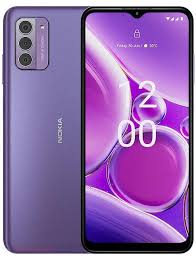
    Nokia no longer leads in the global smartphone market. In 2008, their market share peaked at 38.6%. But Nokia’s market is down compared to other smartphone companies, which is not a good sign for Nokia. While Nokia still produces mobile phones, they have a limited market share compared to leaders like Samsung and Apple. Nokia’s latest smartphones include models like the Nokia 6310 (2024) and G42 5 G. These phones offer features like long-lasting batteries, enhanced audio, and user-friendly.

    5. Infinix

    Infinix Mobile’s global usage makes it difficult to find the correct number of users, but with 6 billion phones in use worldwide, it’s safe to say that Infinix devices are part of that number. While specific numbers for Infinix users are not available, they are a significant player in the smartphone market, particularly in emerging markets.
    Infinix’s latest and most exciting flagship device is the Infinix Zero Flip, a clamshell-style foldable phone that was launched in India with a MediaTek Dimensity 8020 chipset. It features a 6.9-inch LTPO AMOLED inner display and an AMOLED cover screen. The Infinix India website also mentions the launch of the Infinix Zero 40 5G, which includes a 108MP camera and GoPro integration.

    6. Oppo

    Oppo has over 600 million global monthly active users and is a leading smartphone manufacturer with a 9% global market share. In 2021 and 2022, Oppo users ultimately increased a huge amount, but at a time, their users decreased as compared to other brands. The latest OPPO Reno13 Pro 5G features a 120Hz OLED screen, 12GB RAM, 512GB ROM, and a 50MP front camera, among other features. This model has looks amazing and its designs is very attractive.

    Note,

    This article is just for knowledge about the top brands of smartphone and their users. Please comment below which Phone you used and what its unique features are that you liked.